Removing Blower to Change Anode on A.O. Smith Powershot 50 100

All tanks leak sooner or later. If a leak would be a disaster the heater should be sitting in a properly installed drainage pan.
 
One thing I'd consider in your situation is a WAG valve...you must have either a pan underneath the heater, or be able to add a dam around it. The valve gets plumbed into the supply water, and if a gas unit, the gas control. If the water level rises to about 1/2" in the pan because of a leak, the valve shuts the WH inlet water supply off and disables the gas valve. You could use that switch to trigger an alarm, if you wanted, instead. If installed by a trained installer, they also give you a free property damage insurance plan. It should be enough if the pan is plumbed properly to a working drain. http://www.taco-hvac.com/products.html?current_category=65
 
All tanks leak sooner or later. If a leak would be a disaster the heater should be sitting in a properly installed drainage pan.

One thing I'd consider in your situation is a WAG valve...you must have either a pan underneath the heater, or be able to add a dam around it. The valve gets plumbed into the supply water, and if a gas unit, the gas control. If the water level rises to about 1/2" in the pan because of a leak, the valve shuts the WH inlet water supply off and disables the gas valve. You could use that switch to trigger an alarm, if you wanted, instead. If installed by a trained installer, they also give you a free property damage insurance plan. It should be enough if the pan is plumbed properly to a working drain. http://www.taco-hvac.com/products.html?current_category=65

Thanks for the ideas. I'm definitely going to look into the pan the next time the heater is swapped out. There is a drainage pipe and when I used the valve on the side of the tank to bleed out the air, the water drained into the pipe through a clear tube. So that drainage pipe, I'm guessing, could work with a pan.

Question about the WAG: Is this a one-use device? In other words, is the dissolveable fiber element replaceable or do you have to replace the whole device?
 
Question about the WAG: Is this a one-use device? In other words, is the dissolveable fiber element replaceable or do you have to replace the whole device?

Think of it as an airbag...I'm pretty sure it's a one-time use thing. Once the spring and seat get wet, I don't think they could guarantee it to work again if it was rebuilt...maybe, I'm not sure. You can retrofit a dam around the existing WH, but that only works on a slab. Otherwise, you need a pan whose outlet will allow enough water to pool before it drains to trigger the thing (about 1/2"). It uses the same thing as the emergency floatation vests in airplanes...they sit around (hopefully) unused for years before needed...when it hits the water, it opens the valve to the CO2 cartridge to inflate the thing once it (quickly) dissolves the pellet that normally stops the trigger mechanism.
 
Think of it as an airbag...I'm pretty sure it's a one-time use thing. Once the spring and seat get wet, I don't think they could guarantee it to work again if it was rebuilt...maybe, I'm not sure. You can retrofit a dam around the existing WH, but that only works on a slab. Otherwise, you need a pan whose outlet will allow enough water to pool before it drains to trigger the thing (about 1/2"). It uses the same thing as the emergency floatation vests in airplanes...they sit around (hopefully) unused for years before needed...when it hits the water, it opens the valve to the CO2 cartridge to inflate the thing once it (quickly) dissolves the pellet that normally stops the trigger mechanism.


Got it, thanks. And I thought you had to blow into the vests on the airplanes to inflate them. Isn't that what they show you on the safety video?
 
Got it, thanks. And I thought you had to blow into the vests on the airplanes to inflate them. Isn't that what they show you on the safety video?

blowing in is the emergency backup or if you need more air in there...both the emergency light and the initial/partial activation pretty much happens when it hits the water (some versions may differ, but that's the general plan).
 
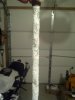
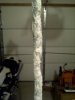
By the way, here are pictures of the rod removed from the 8-year old tank.

Anode Rod 01.jpg

Anode Rod 02.jpg
 
so why did you change it??

most of the rod is still intact and there is plenty of life left on it....

I suggest that you save the rod, or maybe better yet you ought
to re-peat this whole process and re-install that one cause it is good
for at least another 5 years...

and just save the new one you bought or sell it on craigs list....:D:cool:.
 
Back
Top