Mortar Cement for Fiberglass (Sterling Accord) Tub

FenceLake

New Member
Messages
2
Reaction score
0
Points
0
Location
Wisconsin
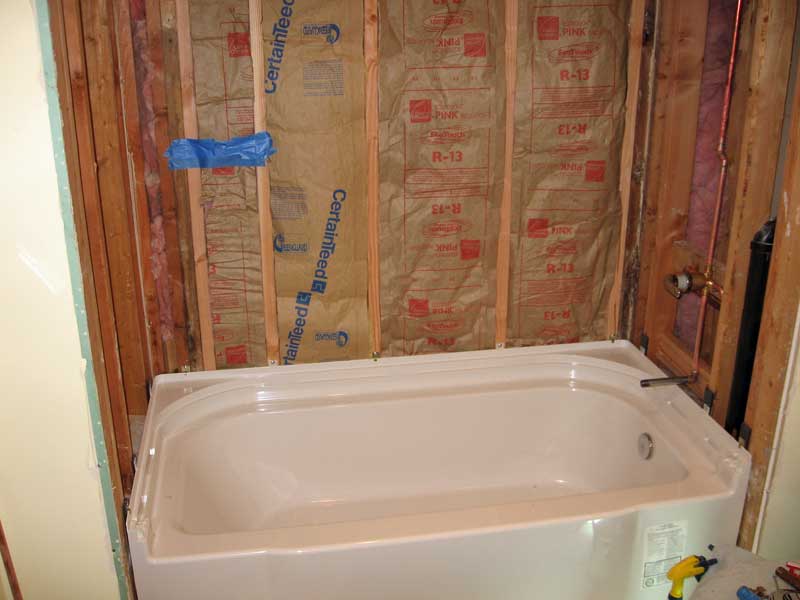
Going to set tub on mortar bed. Looked around on board and decided to use the Quickrete Sand/Topping Mix as suggested. Will use the pile method.

The question I have is how much should I mix up for a 60" x 30" tub? Can I mix in a 5 gal bucket by hand? I've only ever mixed cement in a wheelbarrow, and don't really want to drag that into the bathroom :)

Thanks for the help?
 
Using a five gallon bucket works fine. If you have a 1/2" drill, you can buy a paddle mixer for it.

accord_ito_4.jpg
 
Last edited:
Thanks for the quick response!

Is a 5 gal bucket full enough? Or do you think I will need multiple 5 gal batches? Just trying to get a feel for how big the piles should be to make sure that I am using enough..
 
You're just using a few piles. One is plenty.

If you place too much mortar below the tub, it will never set down far enough.

accord_ito_9.jpg


accord_ito_5.jpg
 
Last edited:
You wont be able to mix it by hand in a 5 gallon pail.

You can mix it with a 1/2" drill and paddle in a bucket, add the water first, then add dry mix in portions.

It's hard to say how much you will use, it depends on the design of the tub.

I'm assuming Terry doesn't shoot for full coverage under the tub, just a few solid piles under it. Personally I use enough to support every inch that I can.
 
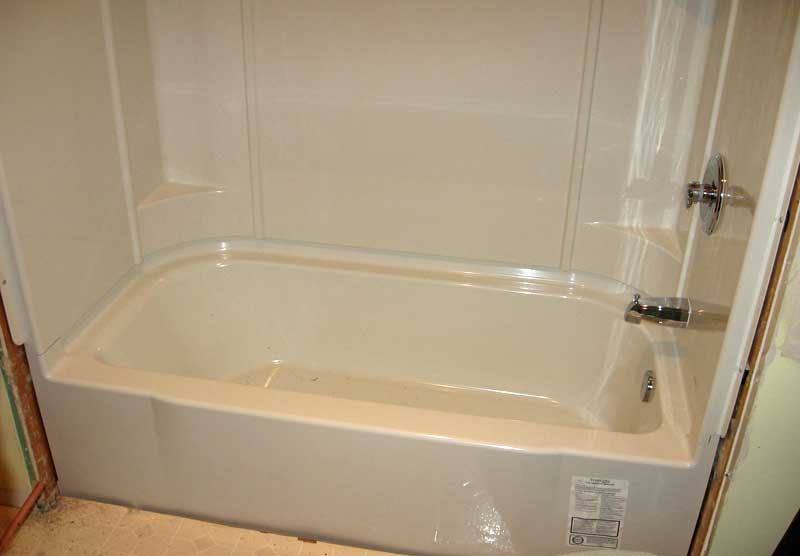
I have a question about the mortar bed also. I am going to install a sterling tub and surround and it is recommended to use a mortar bed even though
the floor is level. My question is: Is it ok to have the legs embedded in the mortar? This seems to possibly throw off the level. Am I over thinking this?
Thanks
 
Last edited:
The purpose of the mortar is to provide support for the floor of the tub. It does not have to cover every square inch, in fact, it will be a problem if you use too much as the excess would tend to raise the tub. You do not have to embed the legs, they should rest on the floor. Yeah, you're probably over thinking this, but that's normal when doing something for the first time when there is no redoing possible.
 
Thanks Gary,
There are a lot of legs under this tub and I can't for the life of me figure out how I would spread mortar and not have at least some legs imbedded
and end up with a lopsided tub. This setup came with a pad to be placed under the tub. Everyone says to use mortar instead.
 
Depending on the cement/sand ratio, a sand mix can be like wet beach sand, or somewhat squishy. You can't mix in too much cement or it will shrink (true if you use too much water, too), and maybe even flow, but a moderately rich mix should still squish rather than just compact. While the floor may be level, the tub itself may not be perfect. Embedding it in mortar allows you to ensure the top flange is perfectly level. Fiberglass will fatigue and eventually crack if it isn't supported. Plus, when supported, it feels MUCH more substantial.
 
The best mud for this: Brick mortar that is slightly stiffer than bricklayers use. Make five or six mounds on the floor about six inches in diameter and four or five inches high. Arrange them so they will add support to the entire floor. Stay away from the drain. Immediately set the tub or shower receptor in over the mounds and push it down all the way to the floor. You can weight it down or place nails or screws around the top flange to hold it in place. Let the mud set overnight. You CAN mix it by hand if make only a little at one time, and you only need a little -- maybe half a bucket. :)
 
You're just using a few piles. One is plenty.

If you place too much mortar below the tub, it will never set down far enough.

accord_ito_9.jpg


accord_ito_5.jpg
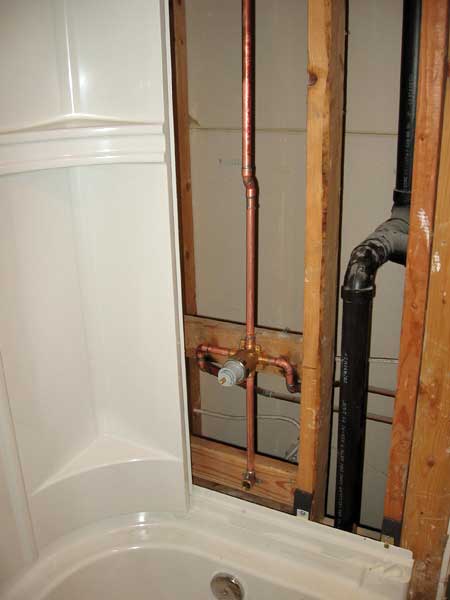
How did you get the wall panel to pivot in with the valve control in place? I have same Sterling Accord Tub/wall combo and no way mine will pivot with valve sticking through out past the surround wall by an inch.
 
Back
Top