kitchen sink draining into dishwasher

CarolLee

New Member
Messages
13
Reaction score
0
Points
0
Location
Missouri
Hi,
When I run water in the kitchen sink, it is somehow draining into the dishwasher. The dishwasher is backed up - couple of inches of standing water in the bottom - so if I run water in the sink, it overflows from the dishwasher onto the floor. I first noticed a puddle of water in front of the dishwasher this morning but hadn't run the dishwasher in a couple of days. Any ideas? Thanks.
 
Dishwasher drain installed improperly. Until you get that fixed, avoid the problem by not filling the kitchen sinks, just run water as necessary and let it drain as you go, but do not fill up.

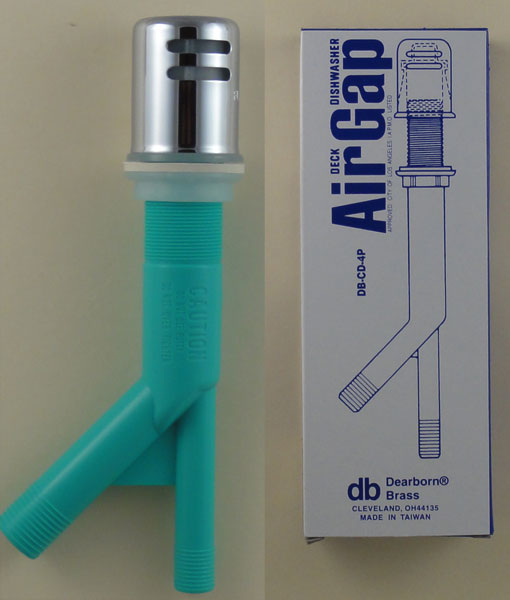
air_gap_dearborn.jpg
 
Last edited by a moderator:
Thanks for the reply. We have been in our home for 5.5 years w/o a problem like this. Is it still possible that the drain was installed improperly? Also, it is not draining at all. There is standing water in the dish washer and if I run the water for even a few seconds, it runs out of the dish washer where the door attaches at the bottom. Thanks.
 
What is an air gap?

Is that part of the disposer?

airgap.gif


Keeps stuff from backwashing into your dishwasher. Of course it creates a little bit of a mess though. The idea is so you don't get backwash without knowing what happened and then using the dishes thinking they're clean.
 
Are the air gap and the coiled drain new developments? I've never seen an air gap. Our house was built about 6 -7 years ago and they did not coil the drain. It is, however, attached to the highest point possible on the garbage disposal.

Thanks for all the help. Even though I can't take care of this myself, it is nice to know I can't take care of it myself before I make that call. :)
 
Like I said, it's not code everywhere, but it is a good idea to have one. I'll admit I don't, but I know I should.
 
Regarding the air gap - how come it can't be under the counter but high up in the cabinet? Why does it need to be above the counter? It's hard to install post hoc given that I'd have to drill a hole in the granite counter...
 
It's called an "Air Gap" because it breaks the siphon action.

If you use a hose to siphon a wading pond, the moment you lift the hose out of the water the siphon stops. The same thing applies here.
The gap needs to be above the flood level of the sink.
O course you can put it below the counter, and the first time someone fills up the kitchen sink, it's going to leak inside your brand new cabinets because you've placed it below the flood level of the sink.
If you don't put a hole in the counter, you would be better off to not have the air gap, but to high loop the hose from the dishwasher before connecting to your plumbing or disposer.
You don't want a "Gap" in the drain below the counter.
A gap means an opportunity for a big gushing leak from the dishwasher.

Standard plumbing practice requires an air gap at many fixtures.
Your tub, lav and sinks all have at least a 1" gap between the end of the faucet and the flood level. That way a plugged sink can't backup into the fresh water supply.

An air gap is intended to prevent the goo from the kitchen sink from entering your dish washer.
It's about sanitation.
 
Last edited:
Back
Top