CPVC to Copper

crosby1

New Member
Messages
29
Reaction score
0
Points
1
Location
Virginia
Plumbing for a shower remodel; the supply lines are CPVC and the new shower valve is brass with 1/2" CC connections. The CPVC/copper fittings I've seen have a permanently fixed piece of CPVC. How does one sweat the copper fitting without melting the CPVC part of the fitting?

Thanks.
 
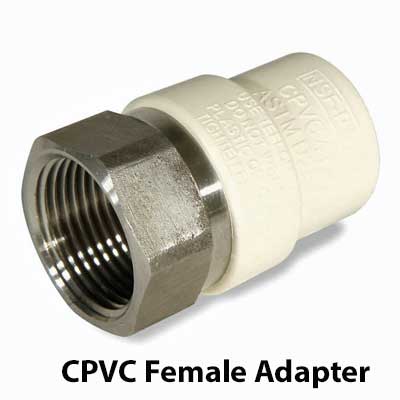
Get male or female (depending on what your valve needs) IP threaded brass transition to CPVC couplings.

cpvc-female-2.jpg
 
Last edited by a moderator:
I'm confused...the valve requires soldered connections. What transitions the soldered copper to CPVC? A diagram or photo would be extremely helpful to me if possible. Thanks.
 
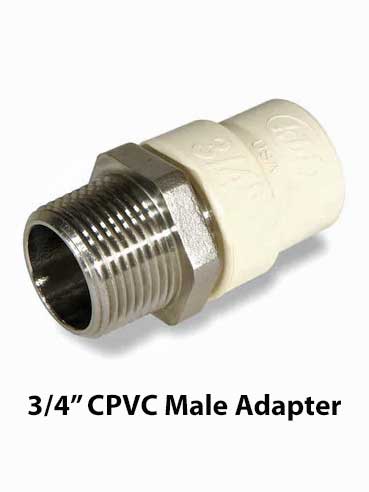
Use copper to connect to the valve and add a female adapter on the end of the stub that you can thread a CPVC fitting into after you've soldered it into the valve.

cpvc-male-adapter-terrylove.jpg
 
Last edited by a moderator:
OK to use threaded fittings behind a wall with no access panel???
 
Last edited by a moderator:
Use some Shark bites

Build the valve up in copper,
then extend some copper nipples down towards the
CPVC.....

Bring them together however you want to...

Just make the connection between them with a couple
of 1/2 Sharkbites......
then you don't have threaded connections in the wall...

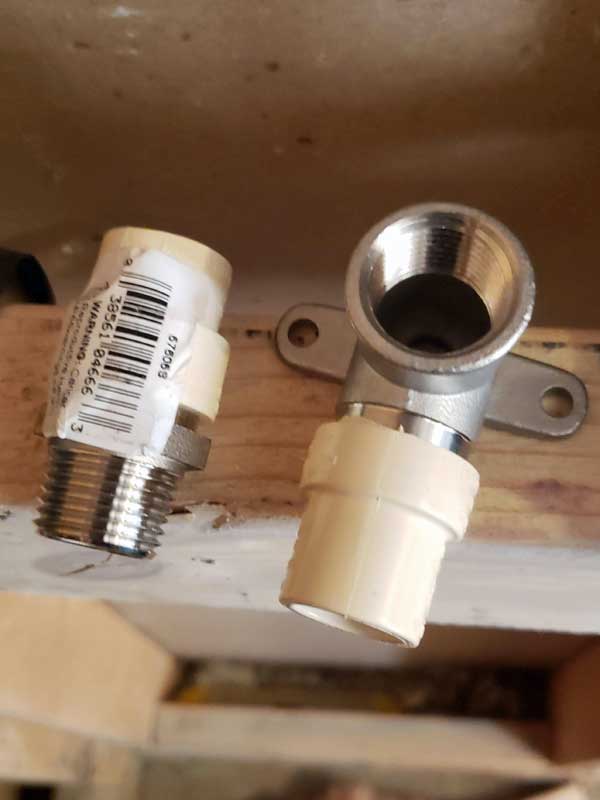
cpvc-male-adapter.jpg
 
Last edited by a moderator:
Yeah, about those Sharkbite things. I've been reading on some of the posts here that they haven't been out long enough to have proved themselves.

again, this plumbing is going to be in a wall that once tiled, will have absolutely no access.

the Sharkbite connectors seem like a good idea, but how many here have used them and have there been any issues at all?

Thanks.
 
You should use the extra cost end reamer before installing the Sharkbite fitting - this puts a microbevel on the end of the pipe, removes any burrs and helps ensure you can install it without doing something that could mess up the seals. They should last a very long time. But, yes, a threaded connection is acceptable inside of a wall...many of the valves come with threaded connections.
 
Back
Top