

DYIDan
New Member
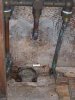
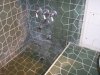
Hey, guys, I’m Dan (new here) and I have a remodel project that I need your expertise on. The sunken tub in question was originally built in 1970. This (Florida) house has a concrete slab base and no access from below. I’m wanting to fill in this sunken tub and turn it into a floor level shower. I have attached a couple of photos showing both sides of the plumbing wall. I’m looking for some perspective on what I might be getting into as well as some best practices on the drain connection when I configure the new shower drain into the existing waste line. I’ve had previous experience with lead and oakum joints years ago and would really like to avoid this if possible. However, I’m concerned that using a pipe cutter on the waste line to attach a band clamp fitting will require a pretty large opening as well as the likelihood of cracking or uneven cutting the old buried waste line if I go that route. I considered just tapping into the shower drain itself to take a shortcut but am concerned that would be a mistake as well outside code allowances. I have read numerous posts debating pro/con of methods to cut waste pipe but they generally don’t address older buried lines.
I’m curious how the original plumbing would have been configured for this type of construction. My experience was in level flat slabs, so components like the tub drain/overflow would have been installed above the floor and after the slab was poured. It looks like the overflow would have been installed before the slab or they had to have access but not sure how this would have been covered up and reinforced for the flooring. I suspect I’ll see when I start to bust out for the new drain but would like to better understand what I’m getting in to. Any assistance would be greatly appreciated.
Thanks in Advance
Dan


