Warning on corrugated toilet shutoff valve

Terry

The Plumbing Wizard
Staff member
Messages
29,942
Reaction score
3,483
Points
113
Location
Bothell, Washington
Website
terrylove.com
speedflex_stop.jpg


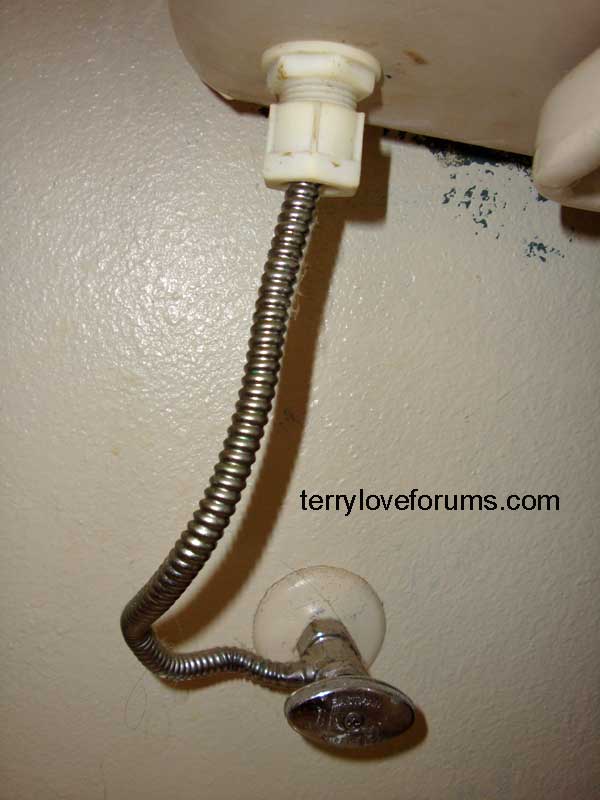
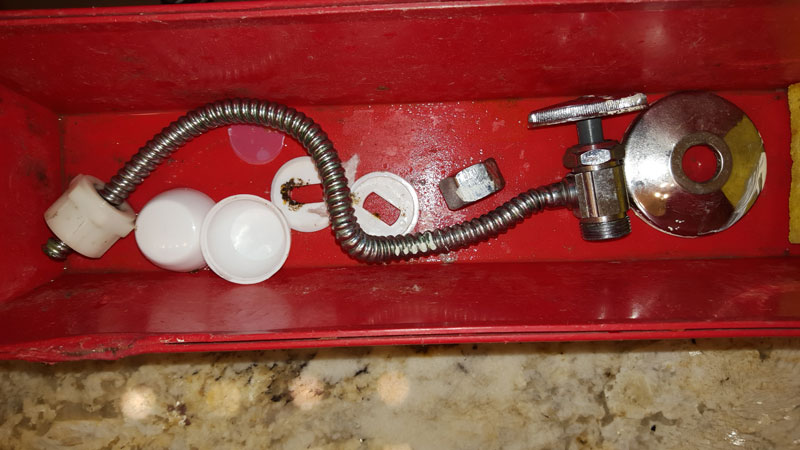
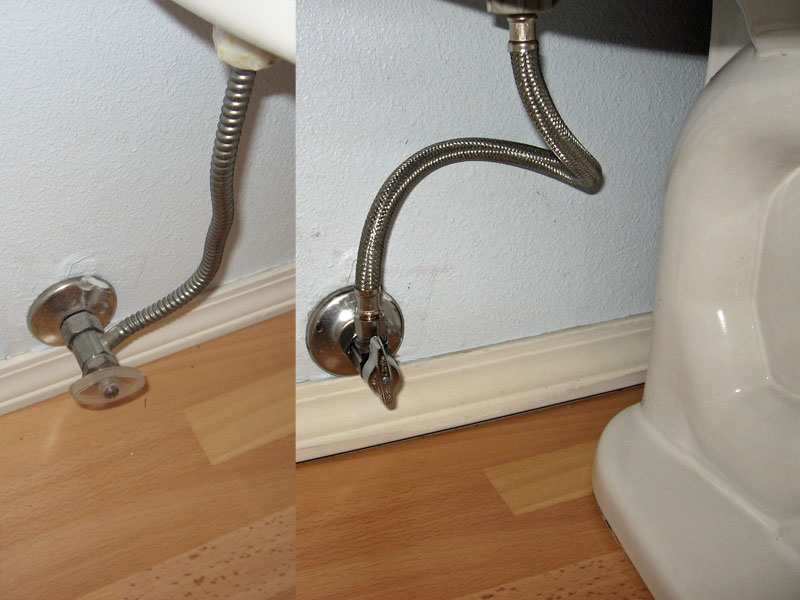
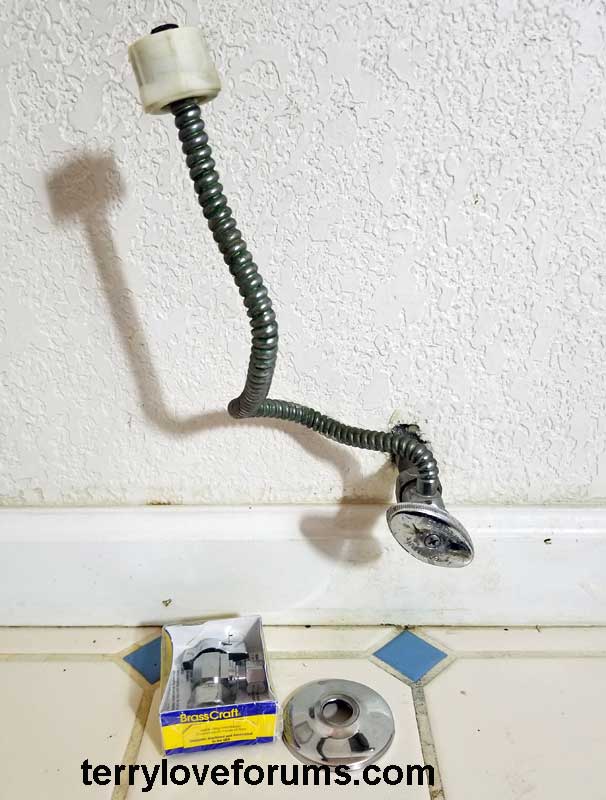
If you are replacing a toilet, or faucet, and it has this type of shutoff, it will need to be replaced.
Anytime we see these, they get removed.

If you attempt to rebend the corrugated copper tubing, it can crack or break.
If it leaks while you are gone, it could create lots of damage.

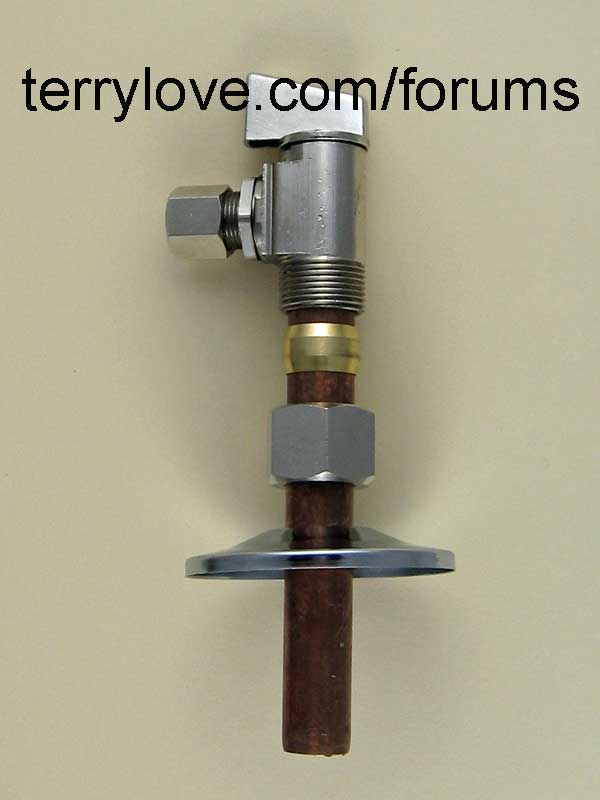
angle_stops.jpg

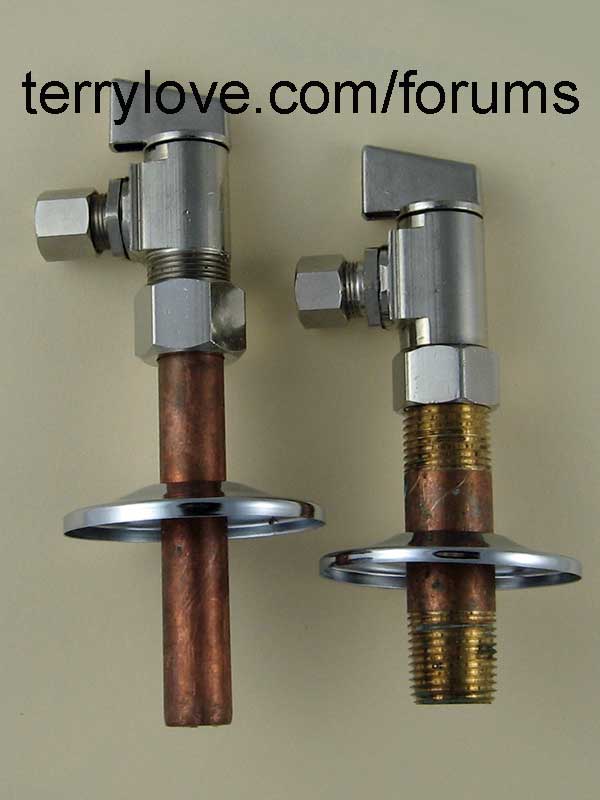
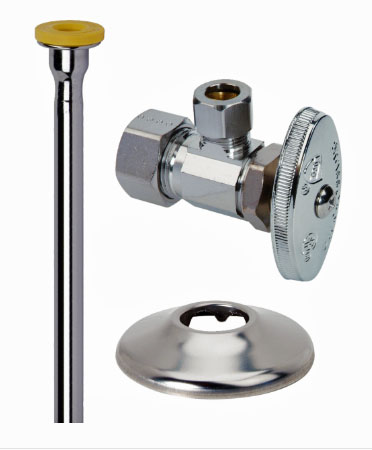
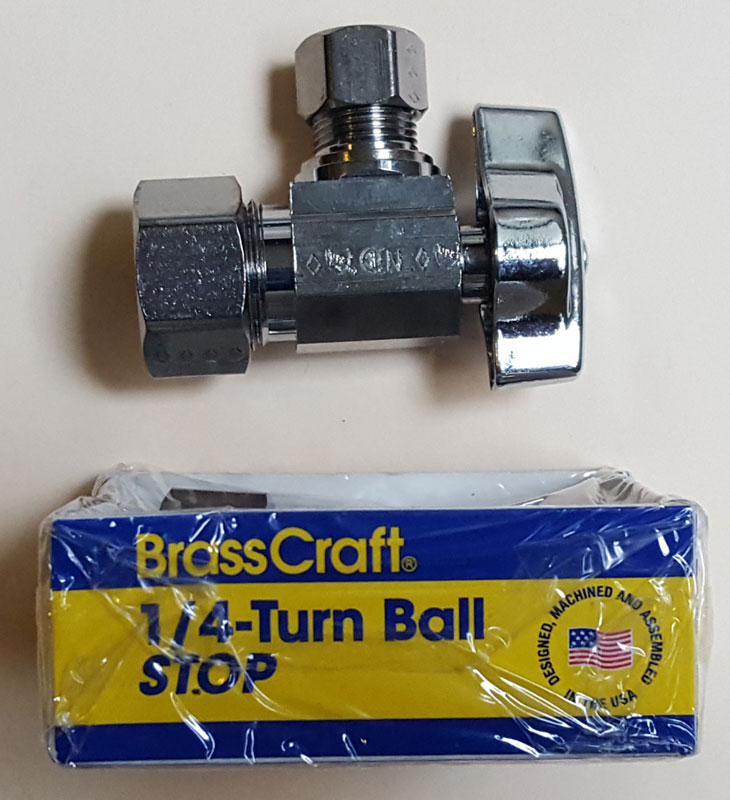
These are new replacements.
The one on the left is compression for copper pipe
The one on the right is an iron pipe stop with a brass nipple.

shutoff_corragated_3.jpg


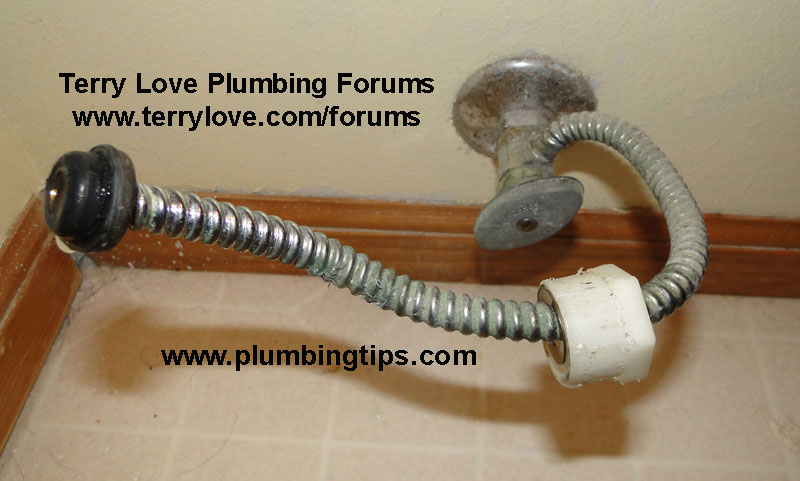
Do nut reuse a shutoff like this. Major damage can happen.
 
Last edited:
can I assume you had one break on you recently with a bad outcome?:eek:

You could assume that, but you would be wrong.

I did warn a homeowner that it could happen though. I have seen plenty of them cracked and leaking in homes I have done service on. Plumbers see it too often to take the gamble that they can bend it a second time without something really bad happening.

I think the year was 1989, I was working in West Seattle.
The Condo owner was having a handyman replace a lav faucet.
The homeowner came home to a big mess.
He had attempted to reuse the tubing and it cracked a day later.

We have always replaced the shutoffs.
We buy cases of new shutoff valves and supply tubes.

The bonus is the new shiny looking shutoff and the chrome escutcheon when done.

flange_02.jpg


I have put in plenty of these in my day though.

brasscraft-toilet-supply.jpg
 
Last edited:
Is the compression fitting nut reused?

No.
Most of the time, the thread is different and it will not thread on.
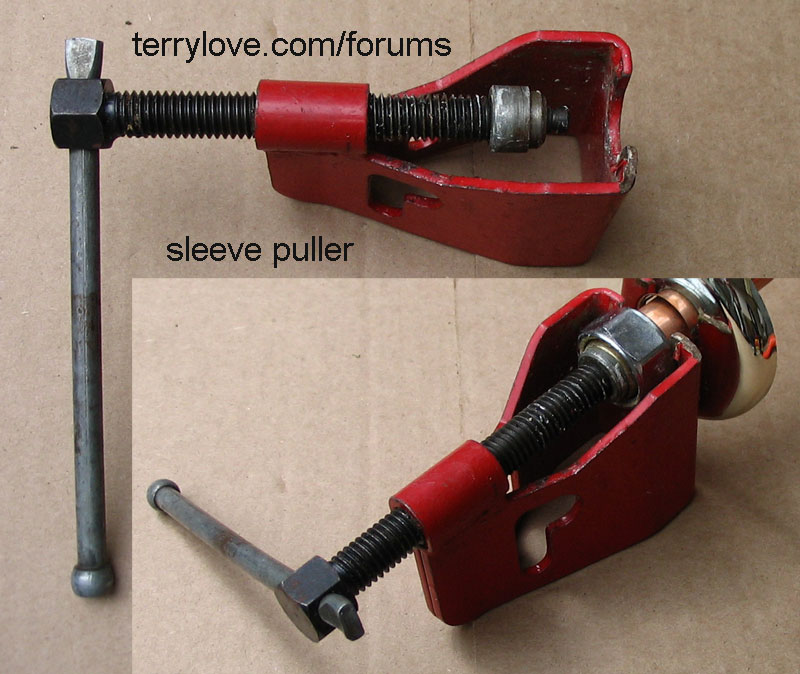
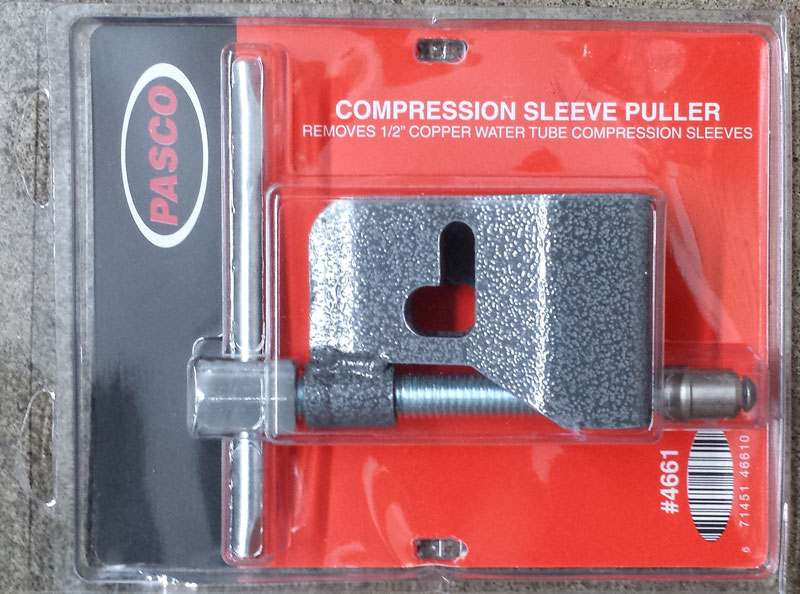
We always pull the nut and sleeve off with a sleeve puller.

Krow, I saw the same episode.

sleeve_puller_1.jpg


corrugated-stop.jpg


shutoff_corragated_replace.jpg


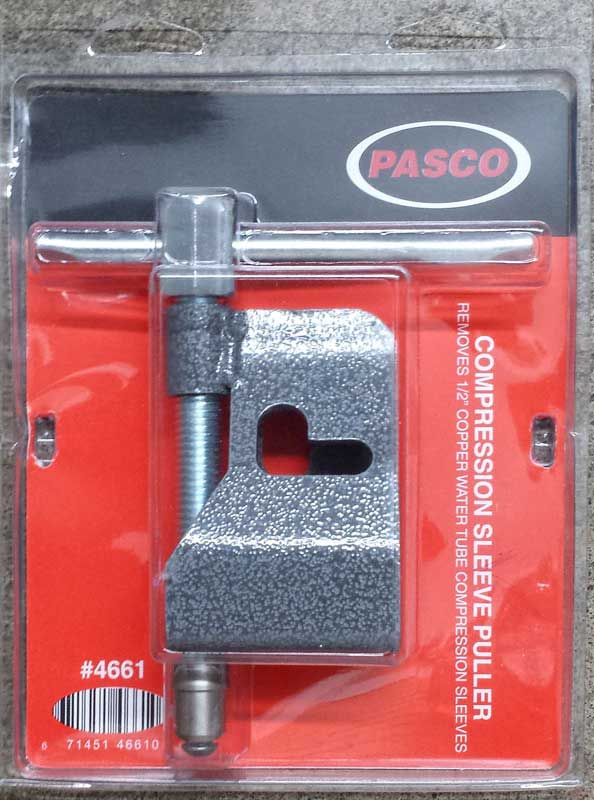
sleeve_puller_3.jpg


Pasco Sleeve Puller.
All the hardware stores in the Seattle area have these now. They've become a hot item since I've posted this information on the web site.
update 1/10/2015
 
Last edited:
At the risk of causing a riot, may I say that I love nipples and would propose the installation on the right is superior to the use of compression fittings.

Particularly for applications that are at risk of getting knocked.
 
Thank you sir.

Now, if I could get my closet collar questions answered...I'd be set :)

That would be hj in the morning for that question
Terry
 
Last edited by a moderator:
What are your (or anyone's) thoughts on soldered shut offs versus compression or nipples. (I see Ian likes nipples)
 
They work just fine, but take longer than either of the other two types which both work well. Harder to replace later one as well.
 
What are your (or anyone's) thoughts on soldered shut offs versus compression or nipples. (I see Ian likes nipples)

Most plumbers prefer compression.
They are easy to replace later.

Some States require soldered shutoffs.
That is mainly to give plumbers more work.
They are not better.

"Homeowner Ian" likes nipples, but unless you use brass, the galvanized nipples will rust and close up.

Most people stand in front of a toilet.
I don't see how anyone would be standing on a shutoff behind a toilet.
I can't even imagine how you would do that.
You would have to put your leg under the tank to do that.
What the heck is Ian doing in his bathroom?

Ian, what the heck?

sleeve-puller-3.jpg
 
Last edited:
"Homeowner Ian" likes nipples, but unless you use brass, the galvanized nipples will rust and close up.

Most people stand in front of a toilet.
I don't see how anyone would be standing on a shutoff behind a toilet.
I can't even imagine how you would do that.
You would have to put your leg under the tank to do that.
What the heck is Ian doing in his bathroom?

Ian, what the heck?

Here we go. The riot has started.

I like nipples because if the shut off were to leak you can tighten it up.
Not that it will leak.

I'm always catching old compression fittings leaking though. Especially if they get kicked or hit by the mop.

So, I have replaced most of my compression fitting in my house starting with those that had developed leaks.

Brass nipples are the business. Ten years later you'll be able to whip that old shut off off the nipple and slap on a new one, without any risk of a crimped pipe or struggling to get the compression fitting off.

Plumbers like compression fittings because many homeowners do not understand them.

There's not much to understand about nipples. I also like the way they are more sturdy than copper pipe in exposed situations.

And shiney.

I've started using soldering for valves a lot more too. Not for angle stops though (I like nipples), but certainly for ball valves and I would never use a compression fitting behind a wall.

So the next time a plumber comes to your house, if he does not show you his nipples, show him the door.

 
Last edited:
If you want it to be shiny just get one with a shiny collar to fit over the exposed pipe...

http://www.dahlvalve.com/products/finishing_valve.aspx

There is nothing wrong with compression stops.

If you want to turn a nipple into a fitting inside the wall you're putting a lot of faith into whatever is behind the wall aren't you?
 

Attachments

  • finishing_valve_n.jpg
    finishing_valve_n.jpg
    10 KB · Views: 3,410
Last edited by a moderator:
angle_stop.jpg

We sometimes use a little emery cloth on the copper to smooth it before we slide on a new sleeve, nut and escutcheon.

Terry, who sells these types of toilet valves you show if I might ask? The one in your first post that shows the older valve is the same one a plumber installed replacing the plastic valve shut off I had. He saw what I had and did a replacement without charging me. The plumber was here to cap my bathroom sink lines charging me $219. After doing a little research, I found I could have easily done it mysef.
 
Terry, who sells these types of toilet valves you show

I only find these at plumbing suppliers.
These I buy from Pacific, but they are wholesale to plumbers only. They don't do retail.
We try to go with products that have the fewest problems, and these have been very good.

A few times I've tried other products to see what is working out there.
If we have a problem with a shutoff, the repair and replacement is very costly.
So it doesn't make any sense you try to save a buck here and there.
I bought some other brands, and I swear, the ball valve portion didn't even seal.
That was kind of dumb, a shutoff that didn't shut off.

corrugated-shutoff-old.jpg
 
Last edited:
Thanks Terry for the response! if these valves are much better than the ones you question since most checkstores sell the chrome angle valves, can I order them from you for my toilet and sinks? I'll go to your website and also thank you for replying to my question about my toilet flange. I'm just waiting for other responses on that subject before moving further. I want to do things right the first time since I'm remodeling!
 
corrugated-cabinet.jpg


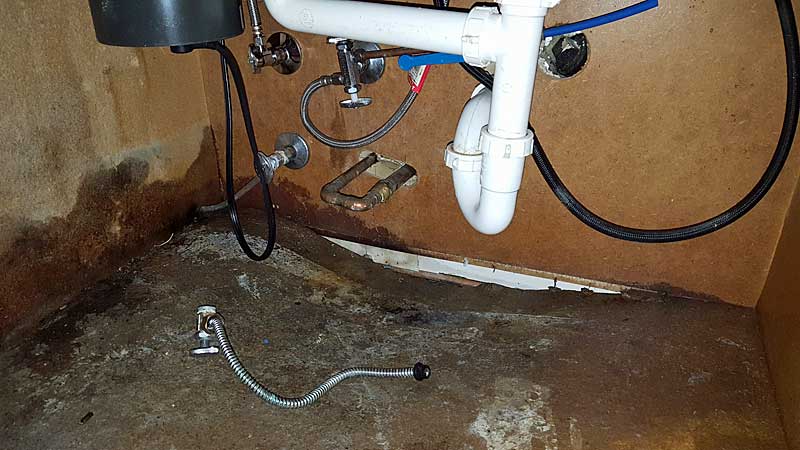
Here a faucet had been replaced and the previous plumber had reused the corrugated shutoff on the hot side.
Water was spraying out of the tubing from the hot side, soaking the particale board in the cabinet. I replaced the hot side with a new quarter turn shutoff.
 
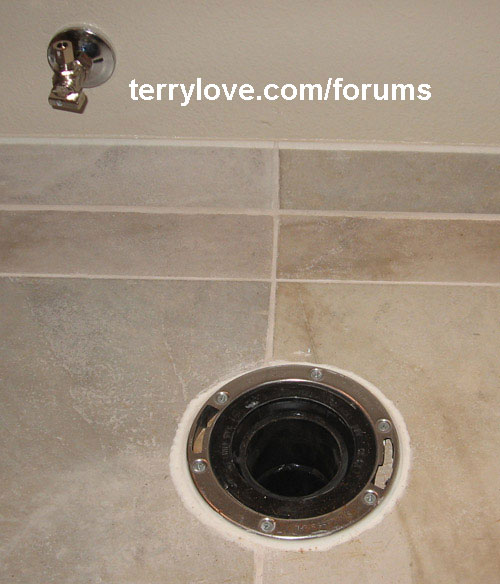
What do you do if the stub-out is too short?
I really do prefer to have the valves threaded on, so that if you need to replace it, you just unscrew it and screw a new one on. The ones that are connected with compression fittings or whatever else, are difficult to replace because you have to cut the tube and end up with a short stub-out... it sucks :(
 
Back
Top