
jamesm2005
New Member
- Messages
- 5
- Reaction score
- 0
- Points
- 0
Hello all,
I am your average DIY here so please bear with me.
I am looking for advice and help with my plumbing project. I am putting in a full bathroom in my basement.
Here are some pics to take a look at. I am trying to keep this project to code, but have not consulted a pro yet for advice.
Let me know what you think. All drains are 2". and I have descriptions for all the pics.
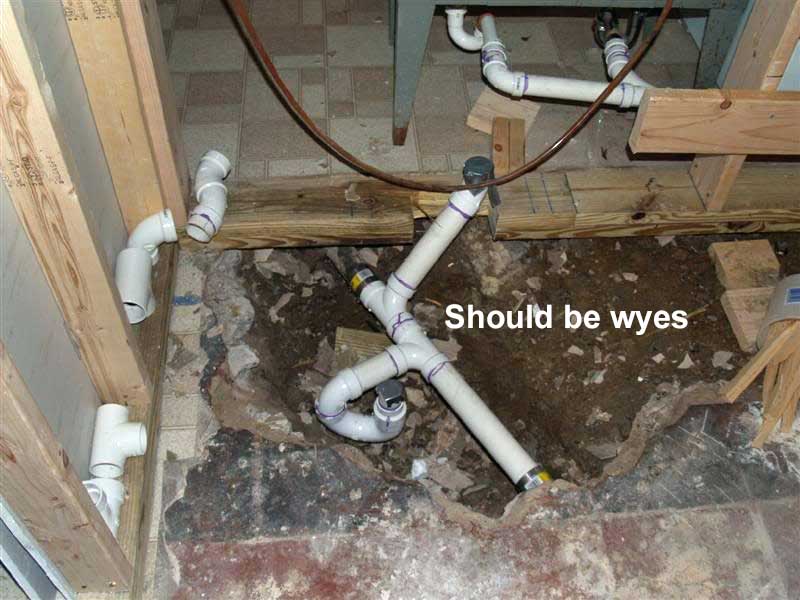
Picture 1 (above) - Pretty self explanatory. This drain line is connected to the kitchen sink which comes down into the basement aprox 16 feet away (The pipe that is near my work bench table). The 45 degree pipe that is going into the framing is going to be connected to the vent being used by the laundry tub. The drain flows from top left to bottom right of the picture. This drain connects to the sewer probably about 14' away from the P trap that I made. The pipes are all 2" diameter.
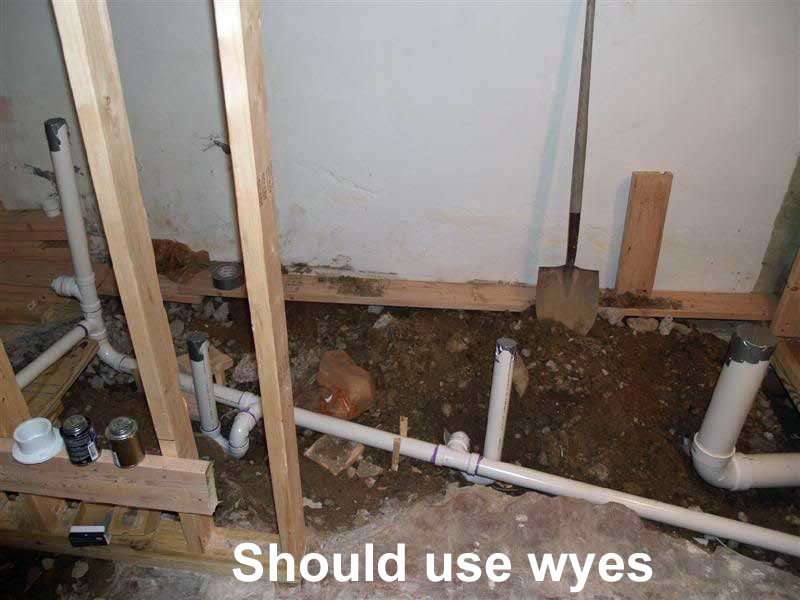
Picture 2 (above)- This picture shows the shower stall drain, floor drain, and the toilet. All the pipes in this picture except the toilet are 2". The toilet is 4". The 2" pipe on the far left of the picture is the vent pipe (which has to be reconnected) You will also see the cleanout, and then a drain that goes of the left of the picture that attaches to the laundry sink drain. (Right now the laundry drain is not vented, I will be venting this sometime later in the project). The water flow is from left to right again in this picture.
Question - Should I have a vent pipe between the two drains on this line (the shower stall drain and the floor drain)?
Question - How many drains can I connect to a 1 1/2" Vent pipe? can I tie in all the drains into this vent line? I will have a total of 5-6 drains in the basement alone that will all tie into this which probably also connects to the sinks and shower upstairs so a total of 8 drains.
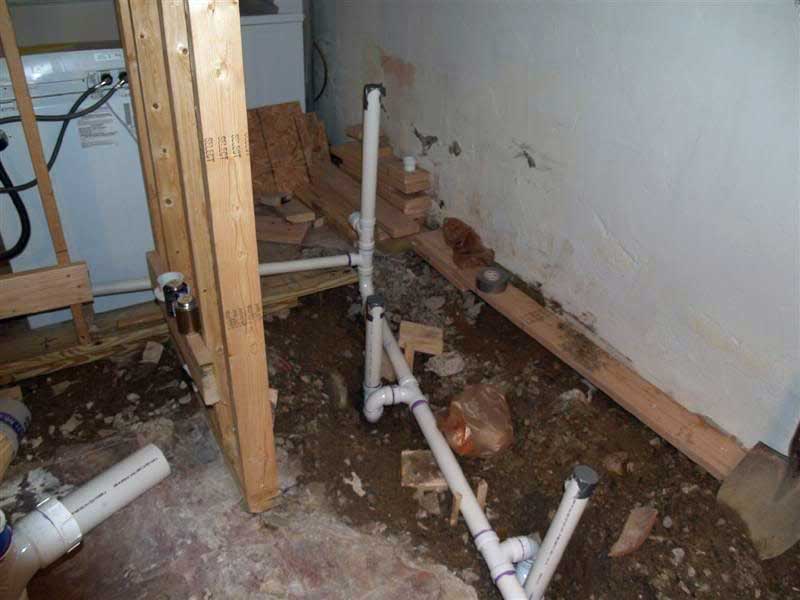
Picture 3 (above)- Also shows the drain pipe run of picture two, it is just at a different angle.
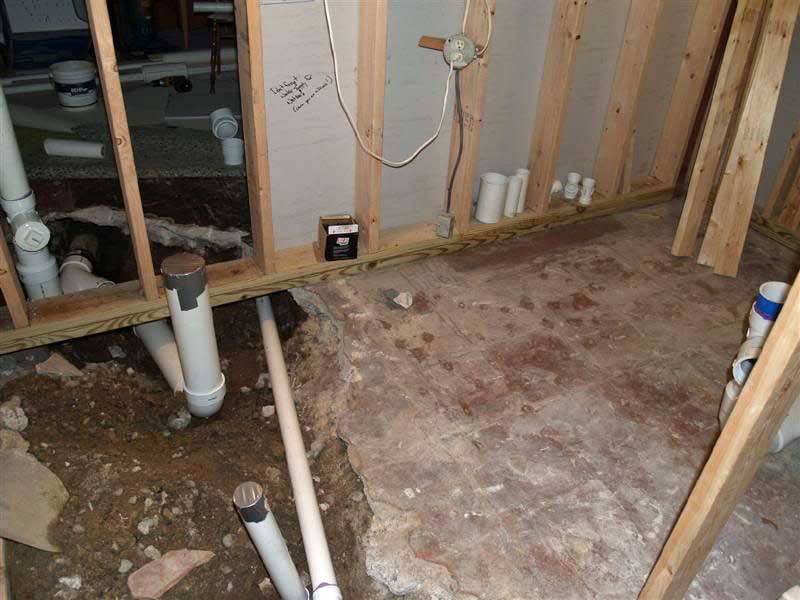
Picture 4 (above)- This picture shows the new toilet drain and the 2" drain for the shower stall, laundry tub and floor drain. I still have to tie in the sink drain to this line, and vent it in that wall in the picture.
Picture 5 (the link above)- This is the main waste stack that I tied the new toilet drain to. All the drains in this line are sloped appropriately and I don't think that there is problems at all with this but it is always good to have a pro look at this.
The main worries that I have is venting of all these pipes. On the bathtub wall side of the bathroom, I am going to be tying in 3 vents for the three drains (bathtub, Shower stall, and Laundry tub), and on the other side of the bathroom I am going to have a vent pipe for the bathroom sinks, but all these are going to be tied together to the original 1 1/2" vent pipe that vented the laundry Tub.
Please let me know if you see anything that I should look out for or anything at all really. All input would be great.
I am your average DIY here so please bear with me.
I am looking for advice and help with my plumbing project. I am putting in a full bathroom in my basement.
Here are some pics to take a look at. I am trying to keep this project to code, but have not consulted a pro yet for advice.
Let me know what you think. All drains are 2". and I have descriptions for all the pics.
Picture 1 (above) - Pretty self explanatory. This drain line is connected to the kitchen sink which comes down into the basement aprox 16 feet away (The pipe that is near my work bench table). The 45 degree pipe that is going into the framing is going to be connected to the vent being used by the laundry tub. The drain flows from top left to bottom right of the picture. This drain connects to the sewer probably about 14' away from the P trap that I made. The pipes are all 2" diameter.
Picture 2 (above)- This picture shows the shower stall drain, floor drain, and the toilet. All the pipes in this picture except the toilet are 2". The toilet is 4". The 2" pipe on the far left of the picture is the vent pipe (which has to be reconnected) You will also see the cleanout, and then a drain that goes of the left of the picture that attaches to the laundry sink drain. (Right now the laundry drain is not vented, I will be venting this sometime later in the project). The water flow is from left to right again in this picture.
Question - Should I have a vent pipe between the two drains on this line (the shower stall drain and the floor drain)?
Question - How many drains can I connect to a 1 1/2" Vent pipe? can I tie in all the drains into this vent line? I will have a total of 5-6 drains in the basement alone that will all tie into this which probably also connects to the sinks and shower upstairs so a total of 8 drains.
Picture 3 (above)- Also shows the drain pipe run of picture two, it is just at a different angle.
Picture 4 (above)- This picture shows the new toilet drain and the 2" drain for the shower stall, laundry tub and floor drain. I still have to tie in the sink drain to this line, and vent it in that wall in the picture.
Picture 5 (the link above)- This is the main waste stack that I tied the new toilet drain to. All the drains in this line are sloped appropriately and I don't think that there is problems at all with this but it is always good to have a pro look at this.
The main worries that I have is venting of all these pipes. On the bathtub wall side of the bathroom, I am going to be tying in 3 vents for the three drains (bathtub, Shower stall, and Laundry tub), and on the other side of the bathroom I am going to have a vent pipe for the bathroom sinks, but all these are going to be tied together to the original 1 1/2" vent pipe that vented the laundry Tub.
Please let me know if you see anything that I should look out for or anything at all really. All input would be great.
Last edited:


